LICENSED NOTARIAL SERVICES ATTORNEYS × 6
ทีมทนาย Notary Public 6 ท่าน · รับรองโดยสภาทนายความในพระบรมราชูปถัมภ์

Thai legal questions for foreigners — contracts, property, disputes and estates (44)

What foreign residents and investors most often need to know about Thai private law: how contracts are enforced and translated, what foreigners may and may not own, how leases and title deeds are checked, how disputes move through the courts or arbitration, and why a separate Thai will saves months of probate.

Sources: Civil and Commercial Code · Land Code · Condominium Act · Labour Protection Act · Arbitration Act. General information only, not legal advice.

📝 Contracts, signatures & remedies (12)

Q1. Is a contract in English valid in Thailand?

Yes. Thai law does not require contracts between private parties to be in Thai. However, if the contract is filed with an authority or produced in court, a Thai translation is required and the Thai version usually prevails in proceedings, so a bilingual draft with a stated governing language is safer.

Q2. Does a contract need to be notarised?

Most commercial contracts are valid on signature. Notarisation by a notarial services attorney becomes relevant when the document will be used abroad, when a party signs remotely, or when a counterparty or bank asks for identity verification.

Q3. Are electronic signatures recognised?

The Electronic Transactions Act recognises electronic signatures for most private contracts. Registry filings, land transactions and many bank formalities still require wet-ink originals.

Q4. What makes a non-disclosure agreement enforceable?

A defined scope of confidential information, a stated duration, permitted disclosures, a clear remedy, and a realistic dispute resolution clause. Overbroad perpetual clauses are frequently narrowed by courts.

Q5. Are non-compete clauses enforceable against employees?

They may be enforced if limited in time, geography and scope and if they protect a legitimate business interest. Thai courts can and do reduce clauses they consider oppressive.

Q6. What should a service agreement always contain?

Scope and deliverables, acceptance criteria, payment triggers, taxes and withholding, intellectual property ownership, liability caps, termination rights and the dispute clause. Missing withholding tax allocation is a common source of later argument.

Q7. Can penalty clauses be reduced?

Yes. Under the Civil and Commercial Code a court may reduce a stipulated penalty it considers disproportionately high, so unrealistic figures rarely help.

Q8. What is the general limitation period for contract claims?

Ten years is the default for ordinary contractual claims, with shorter periods for specific categories such as claims by traders for goods supplied, which is commonly two years. The applicable period should be checked case by case.

Q9. Is a power of attorney valid without a specific form?

A power of attorney should be specific about the acts authorised. Land and registry transactions use prescribed forms and often require a stamp duty and identification of witnesses.

Q10. How is stamp duty handled?

Certain instruments, including leases, loans and powers of attorney, attract stamp duty. An unstamped instrument can be inadmissible as evidence until duty and surcharge are paid.

Q11. Can a contract be terminated for convenience?

Only if the contract says so. Without an express clause, termination requires breach, mutual agreement or a statutory ground, and wrongful termination exposes the terminating party to damages.

Q12. What is the difference between damages and specific performance?

Damages compensate loss in money; specific performance compels the party to do what it promised. Thai courts can order performance, but damages remain the more common remedy in commercial disputes.

🏠 Property, leases & foreign ownership (10)

Q1. Can a foreigner own a condominium in Thailand?

Yes, within the foreign quota: up to forty-nine per cent of the total saleable floor area of the building may be held by foreigners. Purchase funds must be remitted from abroad in foreign currency and evidenced by the bank's foreign exchange transaction form.

Q2. Can a foreigner own land?

Not as a general rule. Exceptions are narrow and include specific investment-based permissions and inheritance situations subject to disposal requirements. Long leases and building ownership are the practical alternatives.

Q3. How long can a lease run?

A lease of immovable property can be registered for up to thirty years and renewed by agreement. Automatic thirty-plus-thirty renewals are frequently challenged, so the renewal mechanism must be drafted carefully and the lease registered at the Land Office.

Q4. What is checked in property due diligence?

Title deed type and authenticity, chain of ownership, mortgages and encumbrances, access rights and servitudes, building permits, zoning, occupancy certificates, outstanding common fees, and any litigation affecting the property.

Q5. Which title deed types are safe to buy?

A Chanote is a fully surveyed freehold title and the most secure. Nor Sor 3 Gor is generally transferable but less precisely surveyed. Lesser possessory documents carry significant risk and should be reviewed before any deposit.

Q6. What taxes apply on a property transfer?

Typically a transfer fee, specific business tax or stamp duty depending on holding period, and withholding tax computed differently for individuals and companies. Who pays what is negotiable and should be written into the contract.

Q7. Can a foreigner buy property through a Thai company?

A Thai-majority company may own land, but using Thai nominees purely to hold property for a foreigner is unlawful. The company must have genuine business substance and Thai shareholders with their own funds.

Q8. What protects a buyer of an off-plan condominium?

Registered escrow arrangements where available, staged payments tied to construction milestones, a registered sale and purchase agreement in the statutory form, and verification of the developer's construction permits and land title.

Q9. Is a usufruct or superficies useful for foreigners?

Both are registrable real rights. A usufruct gives the right to use and take the fruits of the land for life or a fixed term; superficies gives the right to own buildings on another's land. They complement rather than replace a lease.

Q10. What happens to Thai property on death?

Thai assets pass under a Thai will if one exists, otherwise under statutory intestacy rules, and the estate is administered by a court-appointed administrator. A separate Thai will covering Thai assets significantly shortens the process.

⚖️ Litigation, mediation & arbitration (10)

Q1. How long does litigation take in Thailand?

A first-instance civil case commonly takes about one to two years, with appeals adding further time. Complexity, evidence gathering abroad and translation requirements all extend the timetable.

Q2. Can a foreigner sue in a Thai court?

Yes. Nationality does not bar access to the courts. Proceedings are conducted in Thai and all foreign-language evidence needs certified translation, so document preparation is a substantial part of the workload.

Q3. Is mediation available?

Yes. Court-annexed mediation and private mediation are both used and often resolve commercial disputes faster and at lower cost than a full trial. Settlement recorded by the court is enforceable as a judgment.

Q4. When is arbitration a better choice?

Where confidentiality matters, where the parties want a specialist tribunal, or where enforcement will be sought abroad, because arbitral awards are enforceable across New York Convention states while judgments generally are not.

Q5. What evidence is required from abroad?

Foreign documents should be notarised, authenticated and legalised, then translated into Thai. Witness evidence from abroad may be given in person or, subject to the court's directions, remotely.

Q6. Can legal costs be recovered from the losing party?

Courts may award court fees and a modest contribution to lawyers' fees, but full recovery of actual legal costs is unusual.

Q7. What interim measures are available?

Provisional attachment of assets, injunctions to preserve the position pending judgment, and orders preserving evidence, all requiring the applicant to show urgency and a prima facie case.

Q8. How is a judgment enforced?

Through the Legal Execution Department: asset investigation, seizure and sale by auction. Enforcement effectiveness depends heavily on the debtor's traceable assets.

Q9. Are class actions possible?

Yes. The Civil Procedure Code provides for class actions in defined categories including consumer, environmental and securities matters, subject to court certification.

Q10. What is the role of a notarial services attorney in a dispute?

A notarial services attorney certifies signatures, copies and affidavits for use abroad. This is document certification, not evidence of truth of the content, and it does not replace court procedure.

👪 Employment, wills & estates (12)

Q1. What must a Thai employment contract include?

Position, wage and payment date, working hours, leave entitlement, place of work and probation terms. Even without a written contract, statutory protection applies in full.

Q2. What severance is payable on dismissal?

Statutory severance is graduated by length of service, from thirty days' wages after 120 days of service up to four hundred days' wages after twenty years, unless the dismissal falls within the statutory grounds for dismissal without severance.

Q3. Is notice of termination required?

Yes, at least one pay period of advance notice, or payment in lieu, in addition to severance where severance is due.

Q4. Can a foreign employee be dismissed like a Thai employee?

The same labour protection applies. The additional consequence is immigration: the work permit and the associated visa lapse with the employment, so the timing of the final day matters.

Q5. Are probation periods a special category?

No. Probation is not a separate legal status. Once an employee passes 120 days of service, severance obligations apply regardless of the label used.

Q6. What are the working time limits?

Generally eight hours a day and forty-eight hours a week, with lower limits for hazardous work, plus statutory overtime rates and mandatory rest periods and holidays.

Q7. Who must register for social security?

Employers with employees must register and remit contributions monthly. Foreign employees with work permits are also covered.

Q8. Should a foreigner make a Thai will?

A separate Thai will covering Thai-situated assets is strongly advisable. It avoids the delay and translation burden of proving a foreign will and speeds up appointment of an administrator.

Q9. What form must a Thai will take?

Several statutory forms exist. The most common is a written will signed before at least two witnesses present at the same time. Formal defects can invalidate the whole document.

Q10. How is an estate administrator appointed?

By court order on petition, usually supported by the will, death certificate, family documents and an asset list. Uncontested petitions commonly take a few months from filing.

Q11. Does a foreign will need translation and legalisation?

Yes. To be used in a Thai probate application, a foreign will and grant need authentication in the country of origin, legalisation for use in Thailand, and certified Thai translation.

Q12. Can a spouse automatically inherit?

A surviving spouse inherits alongside statutory classes of heirs; the share depends on which classes survive. Marital property is divided first, and only the deceased's share forms the estate.

/en/legal/faq

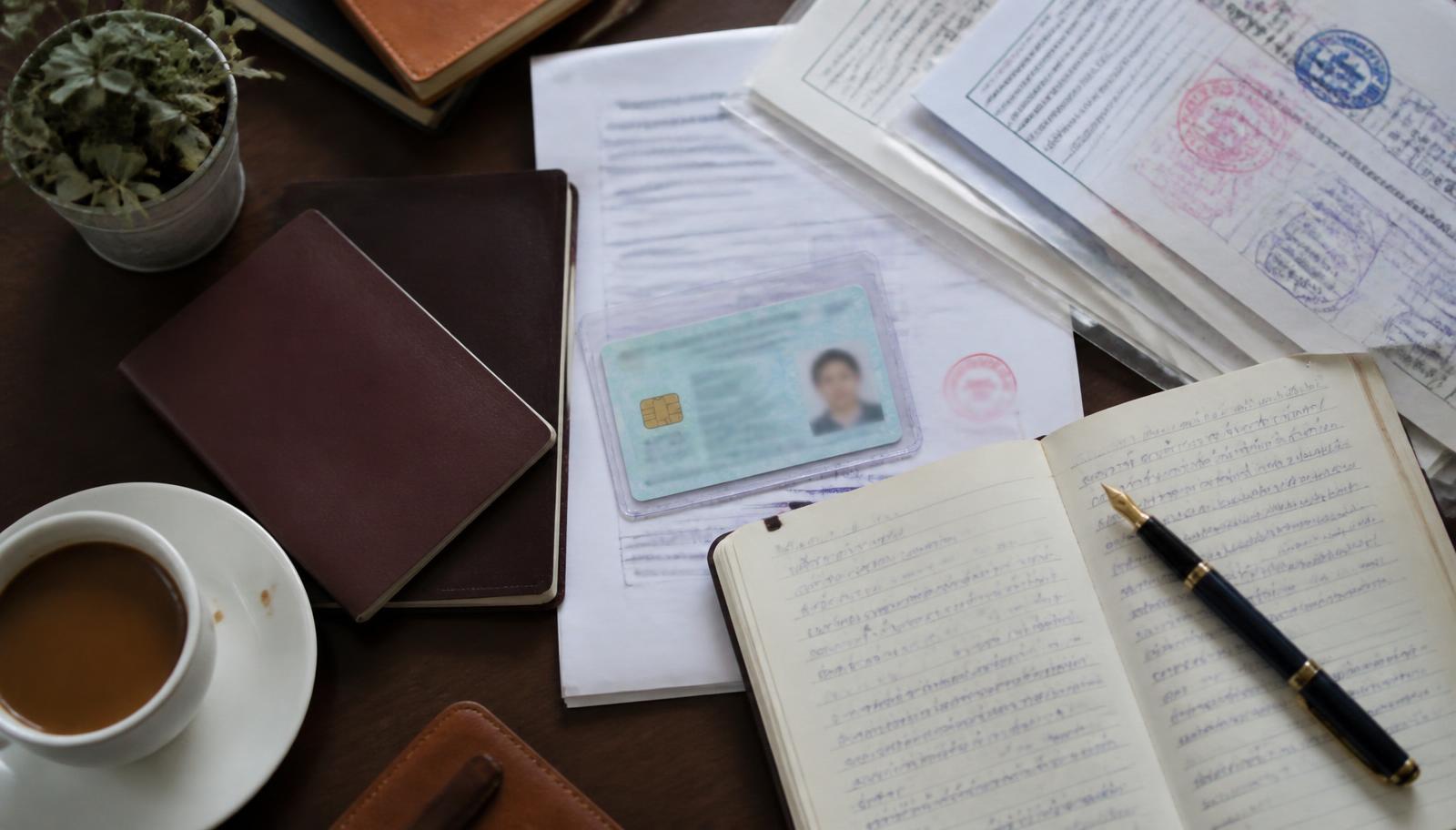
เอกสารราชการ หนังสือเดินทาง และสมุดจดบันทึกขั้นตอนการยื่นเรื่อง
เนื้อหาในหน้านี้เรียบเรียงจากประกาศและระเบียบของหน่วยงานที่อ้างอิงไว้ท้ายหน้า

แหล่งอ้างอิงจากหน่วยงานทางการ

ข้อมูลในหน้านี้อ้างอิงประกาศและระเบียบของหน่วยงานด้านล่าง ตรวจทานล่าสุด กรกฎาคม 2569 — ระเบียบอาจเปลี่ยนแปลงได้ โปรดตรวจสอบกับต้นทาง หรือสอบถามเจ้าหน้าที่ของเราทางโทรศัพท์ LINE หรืออีเมล

ตรวจสอบโดย ทนายอนุตรีย์ ทนายความผู้ทำคำรับรองลายมือชื่อและเอกสาร
ตรวจสอบล่าสุด: กรกฎาคม 2569 (2026-07-31)