
LICENSED NOTARIAL SERVICES ATTORNEYS × 6
ทีมทนาย Notary Public 6 ท่าน · รับรองโดยสภาทนายความในพระบรมราชูปถัมภ์

Foreign visa documents — frequently asked questions (11)

How to prepare Thai civil and corporate records for a visa application abroad: certified translation, legalisation by the Department of Consular Affairs, embassy legalisation, realistic timelines, and what to do after a refusal. Figures that change often are deliberately left to the issuing authority.

Sources: Department of Consular Affairs (MFA Thailand) · HCCH · NAATI · embassy notices. Information as of 2026-07-30.

📋 Preparing Thai documents for a foreign visa application (4)

Q1. Which language must my Thai documents be translated into?

It depends on the destination. Most missions accept English or the official language of that country, with a certified translation attached. Some jurisdictions only accept translators on a specific register, for example NAATI-certified translators for Australia or sworn translators in several European countries. Always check the checklist for your specific application before translation starts.
Q2. What is the usual legalisation chain for Thai documents?

Typically: obtain the original civil or corporate record from the issuing Thai authority, translate it, have the translation legalised by the Department of Consular Affairs of the Ministry of Foreign Affairs, then, where required, legalised by the destination country's embassy in Thailand. Not every application needs the full chain.

Q3. Can an Apostille replace embassy legalisation yet?

Thailand deposited its instrument of accession on 2026-06-30; the Apostille Convention enters into force for Thailand on 28 February 2027. Until then Thai documents still follow the classic chain: legalisation by the Department of Consular Affairs, then by the destination country's embassy in Thailand (source: HCCH, last reviewed 2026-07-30).

Q4. How recent must the documents be?

Most authorities set a validity window in the checklist for the application — commonly 3 to 6 months for house registration, marriage records, company affidavits and bank statements. The rule differs by visa category and country, so confirm before ordering fresh copies.

⏱️ Timelines, appointments and fees (4)

Q1. How long does translation and legalisation take?

Usually about 5 to 10 working days, depending on page count, language pair and the current queues at the Department of Consular Affairs and the relevant embassy. Visa processing time itself belongs to the issuing authority and changes seasonally; check their current published timeline before booking travel.

Q2. Do I have to book the submission appointment myself?

Many countries route applications through a visa application centre such as VFS Global, TLScontact or BLS, and appointments must be booked in their system. Some categories also require you to attend in person for biometrics. We prepare the file so it is complete before your appointment.

Q3. I live outside Bangkok or outside Thailand. Can you still help?

Yes, where documents can be couriered and signatures can be executed in a way the authority accepts — for example signing before a notary in your country of residence and then legalising the document in Thailand. Steps that require personal attendance still have to be done in person.

Q4. What does it cost?

Our fee depends on page count, language and how many certification steps are required. Government and visa fees are set by the authorities and change from time to time, so we do not publish figures here. Ask our team by phone, LINE or email for scope and fees.

⚠️ Refusals and what we do not promise (3)

Q1. Do you guarantee the visa will be approved?

No. The decision rests solely with the issuing authority. What we do is check that your file is complete and internally consistent against the published checklist, which reduces the chance of a document-based rejection.

Q2. What should I do after a refusal?

Read the refusal letter in full, then decide between the appeal or review right stated in it and a fresh application supported by stronger evidence. We can review the file and prepare a new document set.

Q3. What are the sources behind this page?

Department of Consular Affairs, Ministry of Foreign Affairs (consular.mfa.go.th); HCCH for Apostille status (hcch.net); NAATI (naati.com.au); and the published notices of each embassy or visa application centre. Information as of 2026-07-30 — please reconfirm with the authority before acting.

/en/services/visa-outbound/faq

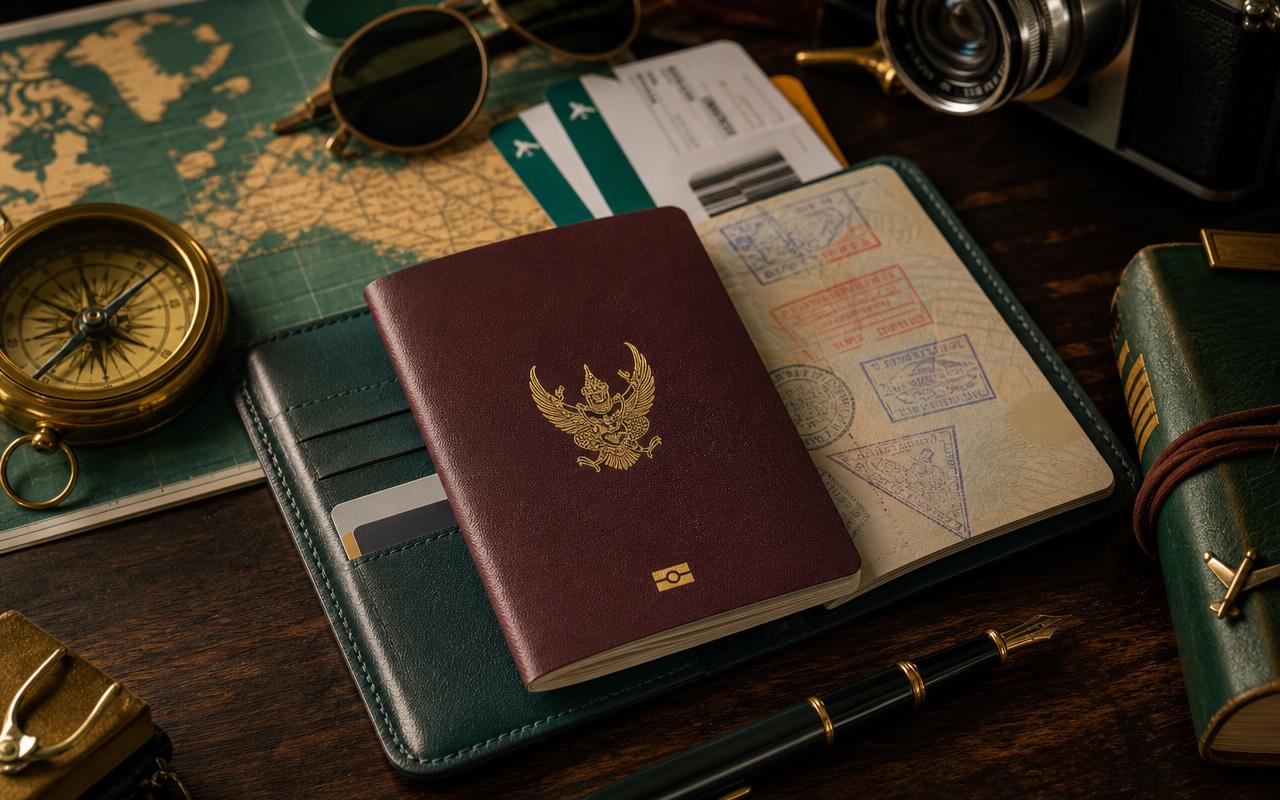
หนังสือเดินทางพร้อมแบบฟอร์มคำร้องขอวีซ่าและเอกสารประกอบวางเรียงบนโต๊ะ
ชุดเอกสารประกอบคำร้องขอวีซ่า จัดเรียงตามลำดับที่หน่วยงานกำหนด

แหล่งอ้างอิงจากหน่วยงานทางการ

ข้อมูลในหน้านี้อ้างอิงประกาศและระเบียบของหน่วยงานด้านล่าง ตรวจทานล่าสุด กรกฎาคม 2569 — ระเบียบอาจเปลี่ยนแปลงได้ โปรดตรวจสอบกับต้นทาง หรือสอบถามเจ้าหน้าที่ของเราทางโทรศัพท์ LINE หรืออีเมล

ตรวจสอบโดย ทีมบรรณาธิการ NYC Legal & Notary ฝ่ายเนื้อหาและมาตรฐานเอกสาร
ตรวจสอบล่าสุด: กรกฎาคม 2569 (2026-07-31)