
LICENSED NOTARIAL SERVICES ATTORNEYS × 6
ทีมทนาย Notary Public 6 ท่าน · รับรองโดยสภาทนายความในพระบรมราชูปถัมภ์

Certificate of employment · 18 answers

Section 17/1 of the Labour Protection Act B.E. 2541 (1998) obliges an employer who terminates without notice to issue a certificate of employment. This page explains what the letter must contain, which alternative evidence works when the employer no longer exists, and the order of translation and legalisation before the document is filed abroad. All durations are approximate ranges.

Thailand's Apostille status: instrument deposited 2026-06-30 · entry into force 2027-02-28 (source: HCCH) · content last reviewed 2026-08-02

📄 Basics: what the document is and who issues it (6)

Q1. What exactly is a certificate of employment, and how is it different from a salary certificate?

A certificate of employment is issued by the employer and states the employee's full name, job title, a short description of duties, and the start and end dates of the engagement, signed by an authorised officer and usually stamped with the company seal. A salary certificate instead confirms the current pay rate and employment status. Many receiving bodies ask for both, so read the destination authority's document list before you approach HR.
Q2. Is a Thai employer legally required to issue one?

Section 17/1 of the Labour Protection Act B.E. 2541 (1998) requires an employer who terminates employment without advance notice to issue a certificate of employment to the employee. In practice most companies also issue one on request. If the employer refuses or no longer exists, build an alternative evidence set: an SSO contribution-history letter, payslips, and withholding-tax certificates (form 50 Tavi).

Q3. My former employer has closed down. How can I still prove my experience?

Combine documents that a third party can verify. The set most often accepted is: an insured-person letter from the Social Security Office showing the employer's name and the months contributions were paid; withholding-tax certificates (50 Tavi) for the relevant years; the employment contract; and a DBD company affidavit confirming the legal entity existed during that period.

Q4. Where do I request the Social Security contribution letter?

At the SSO area, provincial or branch office where the employer registered the establishment, or through the channels listed on www.sso.go.th and hotline 1506. Issuance typically takes about one to five working days depending on office workload and how far back the record goes. Confirm the current channel and required attachments with the responsible office before travelling there.

Q5. What should the letter contain if it will be used abroad?

Company letterhead, the company registration number, a verifiable address and contact channel, the holder's name spelled exactly as in the passport, job title, a brief description of duties, start and end dates, employment status (full-time or part-time), the authorised signatory's handwritten signature with the name and position typed underneath, and the issue date. Many assessors reject letters with no contact point for a call-back check.

Q6. Should I ask HR for the English version directly, or have a Thai letter translated?

Either route works, but tell HR at the outset which one you need. A letter issued in English on company letterhead is simpler when the destination accepts employer-issued English documents. If the destination requires a certified translation of the original Thai document, keep the Thai original intact and have the translation prepared and certified separately — a bilingual improvised version sometimes fails formal review.

🔗 Translation, certification and the legalisation chain (6)

Q1. What is the usual chain before a work-experience letter can be used overseas?

The common sequence is: obtain the signed original, have a translation prepared where the destination language differs, have the signature or the translation certified as the destination requires, then have the Department of Consular Affairs legalise the document, and finally, where the destination still requires it, have the destination's embassy in Thailand legalise it. Requirements differ by country and by receiving body, so verify the exact chain before starting.

Q2. Does Thailand's accession to the Apostille Convention change this?

Thailand deposited its instrument of accession to the HCCH Apostille Convention, and the Convention enters into force for Thailand on the date published by the HCCH. Until that date the existing consular legalisation chain remains the operative route, and even after it, an apostille only applies between Contracting Parties. Always check the destination country's status and the responsible Thai authority's announcements at the time you file.

Q3. Does a private company document need notarisation before consular legalisation?

Documents signed by a private party normally need the signature to be attested before a public authority will act on it. In Thailand this is done by a lawyer licensed by the Lawyers Council of Thailand to provide notarial services attestation. The Department of Consular Affairs then certifies the attesting authority's signature. Confirm which layer your destination expects, because some receiving bodies accept employer letters directly.

Q4. Who may translate the document?

There is no single national register of sworn translators in Thailand. In practice the Department of Consular Affairs accepts translations submitted with the prescribed certification, and many destinations additionally accept translations certified by their own embassy or by a translator their authority recognises. Ask the receiving body which form of certified translation it accepts before commissioning the work.

Q5. How long does the legalisation stage take?

Consular processing is normally counted in working days rather than weeks, with express and regular channels announced by the Department of Consular Affairs, and embassy legalisation adds its own queue. Treat all figures as approximate ranges published by the authorities, not guarantees, and build in buffer time when a filing deadline is fixed.

Q6. Can I legalise a photocopy instead of the original?

Authorities generally act on originals or on copies that have been certified as true copies through an accepted procedure. Submitting a plain photocopy is the most common cause of rejection at the counter. If the original must stay with you, ask the employer to issue duplicate originals, which is usually easier than certifying copies later.

🎯 Real filings: skills assessment, work visas, work permits (6)

Q1. Which applications commonly require Thai work-experience letters?

Skilled-migration and skills-assessment applications, employer-sponsored work visas, professional registration abroad, university admission with credit for professional experience, and work-permit applications inside Thailand for foreign nationals. Each programme publishes its own evidence rules, so read the specific checklist rather than relying on a generic list.

Q2. What do skills assessors typically look for?

Continuity of employment, duties that genuinely match the occupation claimed, hours worked per week, and independent corroboration such as tax or social-security records. Letters that describe duties in vague marketing language, or that omit weekly hours, are the ones most often queried.

Q3. Do I need the letter for a Thai work permit?

The Department of Employment publishes the document list for work-permit applications, which centres on the employer's documents and the applicant's qualifications. Prior-experience letters are commonly submitted in support of the qualification claim. Check the current checklist on www.doe.go.th, since the required set differs by permit type and by the employer's category.

Q4. What if the dates on my letter and my social-security record do not match?

Fix the discrepancy before filing. Ask HR to reissue the letter with dates that match the payroll and contribution records, or attach a short explanatory letter from the employer. Assessors treat unexplained date conflicts as a credibility issue rather than a clerical one.

Q5. Do these letters expire?

The letter itself records a past fact and does not expire by nature, but many receiving bodies require documents issued or legalised within a recent window, often three to six months. Because that window is set by the destination and changes, confirm it against the current guidance of the body you are filing with.

Q6. How can we help?

We prepare and check the document set, arrange translation, and run the certification and legalisation steps in the order the destination requires. We are not a government agency and do not issue employer letters or government records; decisions remain with the issuing employer and the receiving authority.

Official sources

We are not a government agency and do not issue employer letters or government records. We prepare documents, handle translation and run the certification steps; decisions rest with the issuing employer and the receiving authority.

Tell us where the document is going

Share the destination country and the receiving body, and we will map the translation and legalisation order that body actually accepts.

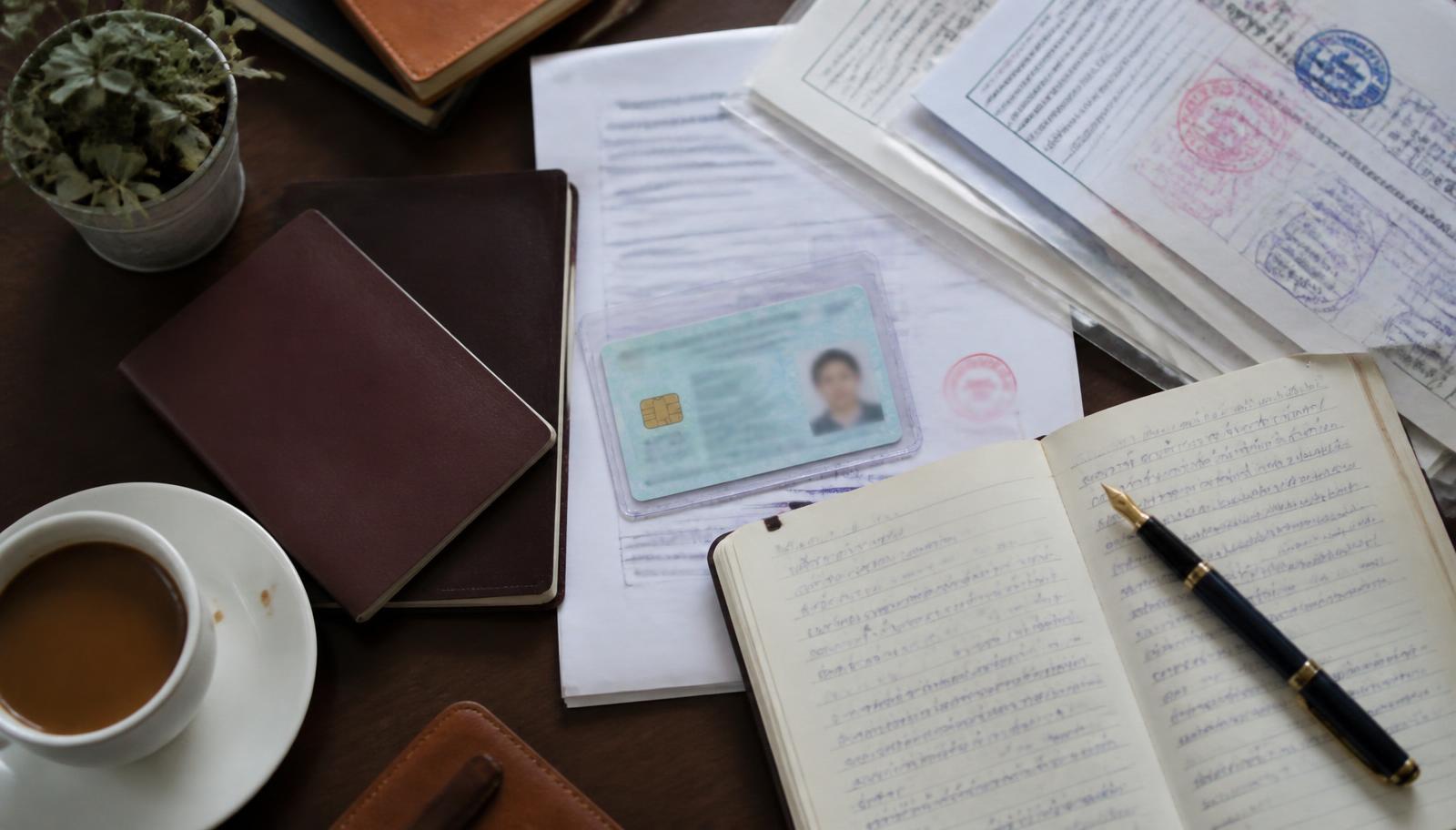
เอกสารราชการ หนังสือเดินทาง และสมุดจดบันทึกขั้นตอนการยื่นเรื่อง
เนื้อหาในหน้านี้เรียบเรียงจากประกาศและระเบียบของหน่วยงานที่อ้างอิงไว้ท้ายหน้า

แหล่งอ้างอิงจากหน่วยงานทางการ

ข้อมูลในหน้านี้อ้างอิงประกาศและระเบียบของหน่วยงานด้านล่าง ตรวจทานล่าสุด กรกฎาคม 2569 — ระเบียบอาจเปลี่ยนแปลงได้ โปรดตรวจสอบกับต้นทาง หรือสอบถามเจ้าหน้าที่ของเราทางโทรศัพท์ LINE หรืออีเมล

ตรวจสอบโดย ทนายปฏิภาณ ทนายความผู้ทำคำรับรองลายมือชื่อและเอกสาร
ตรวจสอบล่าสุด: กรกฎาคม 2569 (2026-07-31)