Consular Legalisation & Apostille — FAQ
Document authentication by the Department of Consular Affairs, Ministry of Foreign Affairs.
5 questions · referenced to Thai law and official announcements · service fees quoted per case — contact our team directly
Q1.What is consular legalisation?
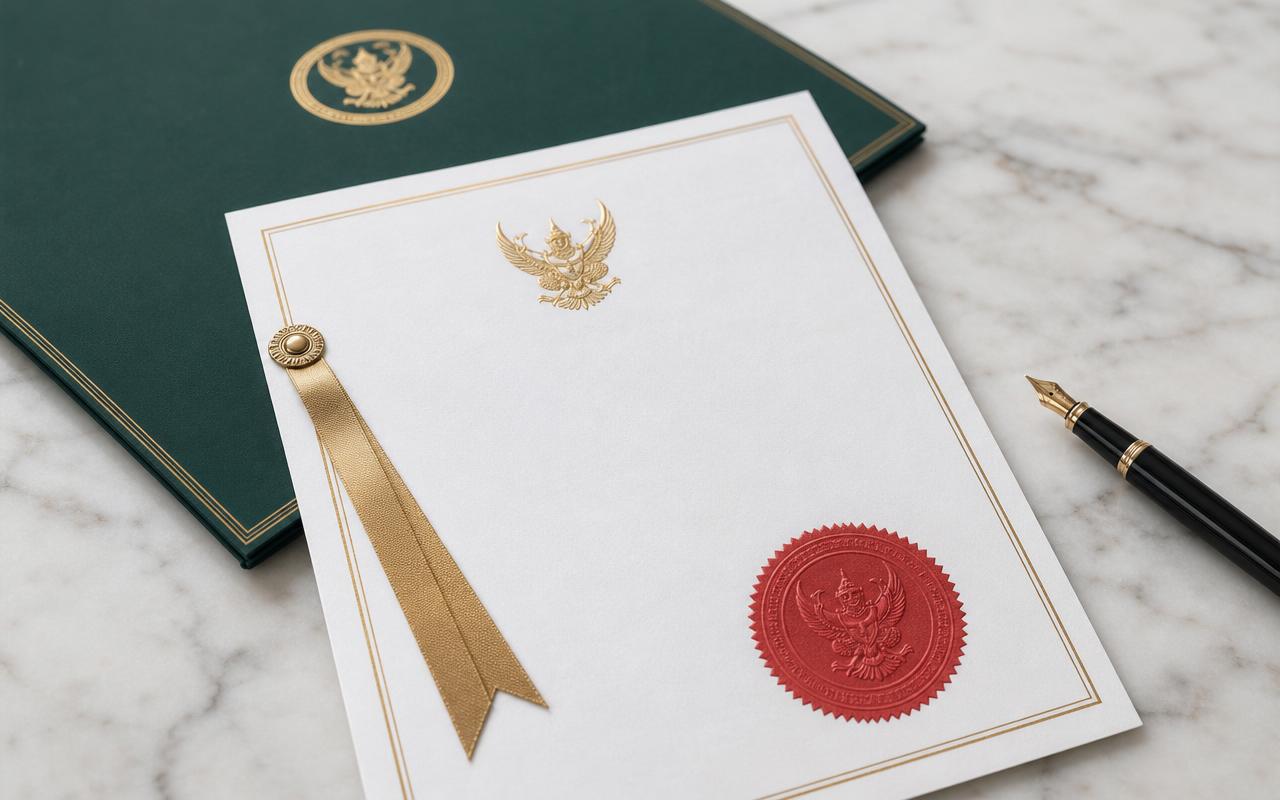
Legalisation is the authentication of a document by the Legalization Division, Department of Consular Affairs, Ministry of Foreign Affairs of Thailand, before the document is used abroad. The authenticated document carries the department's red seal.
Permalink to this questionQ2.Does Thailand issue Apostilles?
Thailand has acceded to the Hague Apostille Convention; per HCCH, the instrument was deposited on 30 June 2026 and the Convention enters into force for Thailand on 28 February 2027. Until that date, Thai documents for use abroad still require consular legalisation by the MFA followed, where required, by the destination country's embassy.
Permalink to this questionQ3.What are the steps for legalising a foreign document?
1) Translate the document into Thai or English. 2) Have the translation certified by a notarial services attorney. 3) Submit to the Department of Consular Affairs for the red seal (normal and express tracks are published by the department). 4) Where required, submit to the destination country's embassy. Timelines depend on queues and official discretion.
Permalink to this questionQ4.What are the government fees?
Legalisation fees are set and published by the Department of Consular Affairs, with separate normal and express rates. Courier and agency handling are quoted separately. Always confirm the current published rate with the department before filing.
Permalink to this questionQ5.Can you collect and deliver the documents?
Yes. We handle the process end to end — collection, translation, certification, MFA filing, embassy filing and return delivery — so you do not need to attend in person.
Permalink to this question